Signs of a High-Risk Pregnancy You Should Never Ignore
Pregnancy is a remarkable journey that brings new life into the world, but it also brings many changes to a woman’s body. While most pregnancies progress without serious problems, sometimes unexpected complications can occur. This is when a pregnancy may be classified as high-risk.
A high-risk pregnancy means that there are certain conditions or factors that could potentially harm the mother, the baby, or both. Early detection and the right medical care are the best ways to manage these risks and ensure a safe pregnancy and delivery. Unfortunately, many women ignore warning signs because they think they are normal or temporary.
At Vardaan Polyclinic & Health Care, we believe that every mother deserves to feel safe, supported, and informed during pregnancy. Dr. Sonu Rout, MD, is an experienced Obstetrician and Gynaecologist with over 21 years of experience in handling high-risk pregnancies. She completed her MD from Pt. J N M Medical College, Raipur in 2004 and was awarded nine gold medals during her academic years. Over the years, she has worked with reputed private and government hospitals and is currently a proud member of the Federation of Obstetric and Gynaecological Societies of India (FOGSI). Her compassionate care and effective treatments have earned her praise and trust from hundreds of patients.
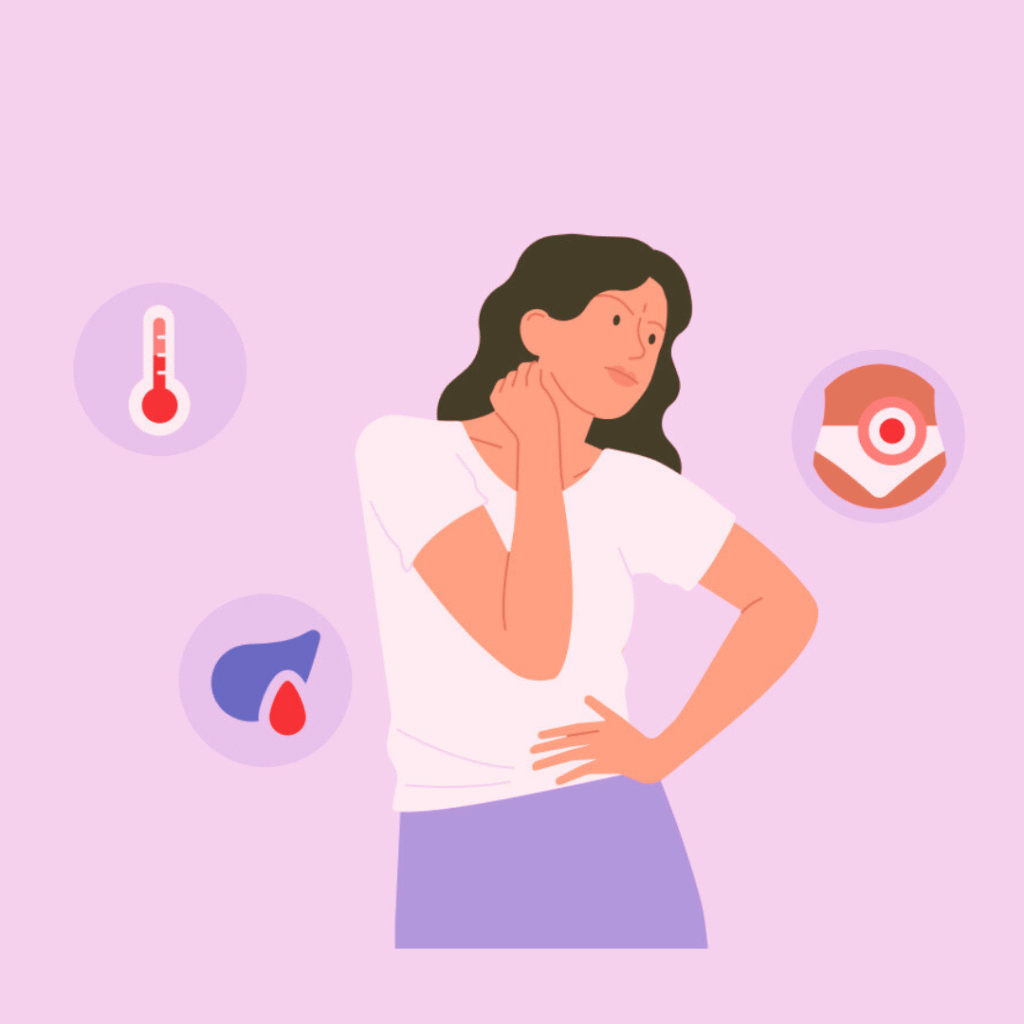
Below are some signs of a high-risk pregnancy that you should never ignore. Knowing what to look out for and when to seek help can protect your health and your baby’s well-being.
1. Severe Abdominal Pain

Mild cramps can occur in early pregnancy as your body adjusts to the growing baby. However, sharp or constant abdominal pain is not normal and could signal a serious problem such as an ectopic pregnancy, miscarriage, placental abruption, or other complications. Always speak to your doctor if you experience severe or persistent pain.
2. Heavy Bleeding or Spotting

Some light spotting can happen, especially in the early weeks of pregnancy. But if you experience heavy bleeding, bright red blood, or pass clots, it should never be ignored. Heavy bleeding can be a sign of miscarriage, placenta previa, or other complications that need urgent medical care.
3. Severe or Persistent Headaches

Many women experience mild headaches during pregnancy due to hormonal changes, but headaches that do not go away or are severe can be a sign of preeclampsia or high blood pressure. Preeclampsia is a dangerous condition that can affect both mother and baby if left untreated. It may also cause other symptoms like vision changes or swelling.
4. Blurred Vision or Seeing Spots

Any sudden changes in your vision, such as seeing spots, flashing lights, or blurriness, are warning signs that should not be ignored. These symptoms are often linked to high blood pressure or preeclampsia. Early treatment is vital to prevent serious complications.
5. Sudden or Severe Swelling
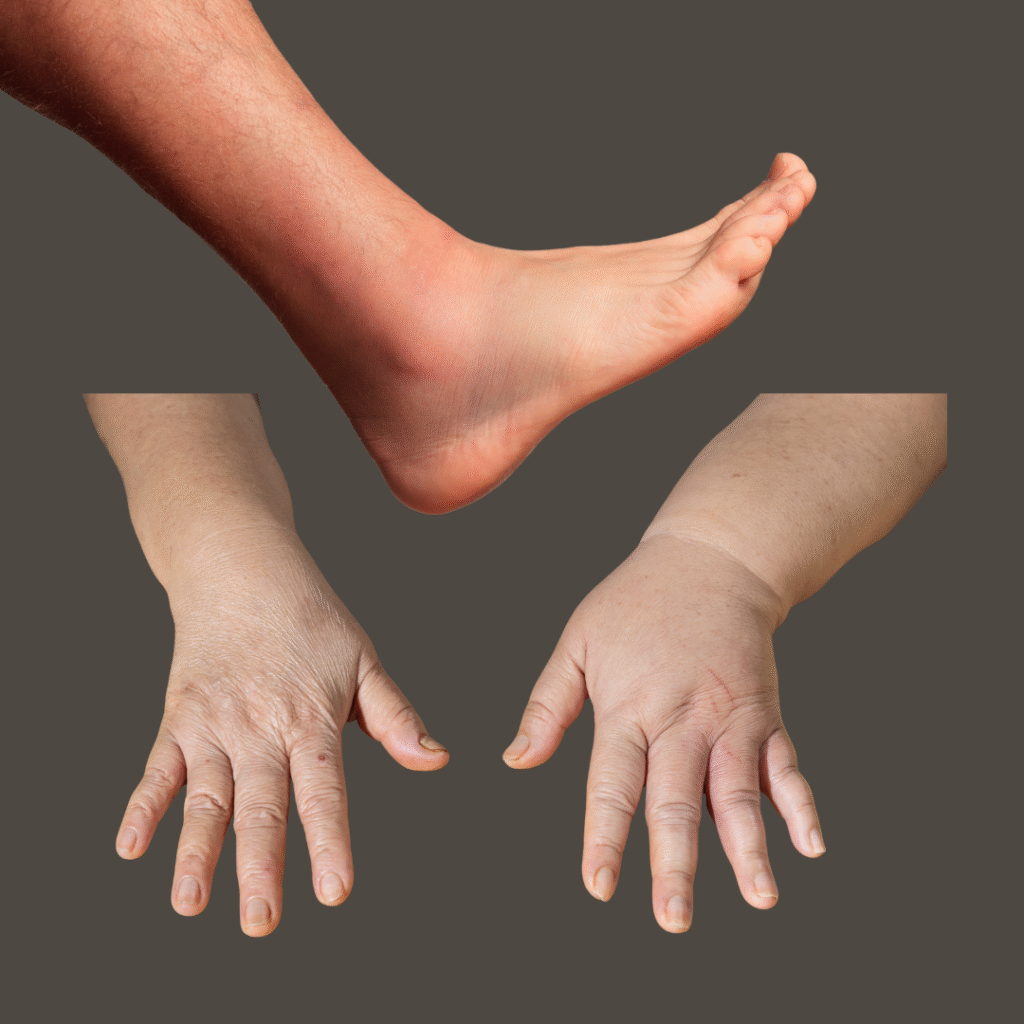
Mild swelling in the hands, feet, and ankles is normal as pregnancy progresses, but sudden, severe swelling in the face, hands, or legs can indicate fluid retention due to high blood pressure or preeclampsia. If you notice sudden puffiness or tightness, call your doctor immediately.
6. Fever or Signs of Infection
A high fever during pregnancy is not normal. If you develop a temperature above 100.4°F (38°C) along with chills, body aches, or signs of infection such as burning during urination or unusual vaginal discharge, you should seek medical help. Infections can sometimes cause early labour or harm the baby if untreated.
7. Decreased Baby Movement
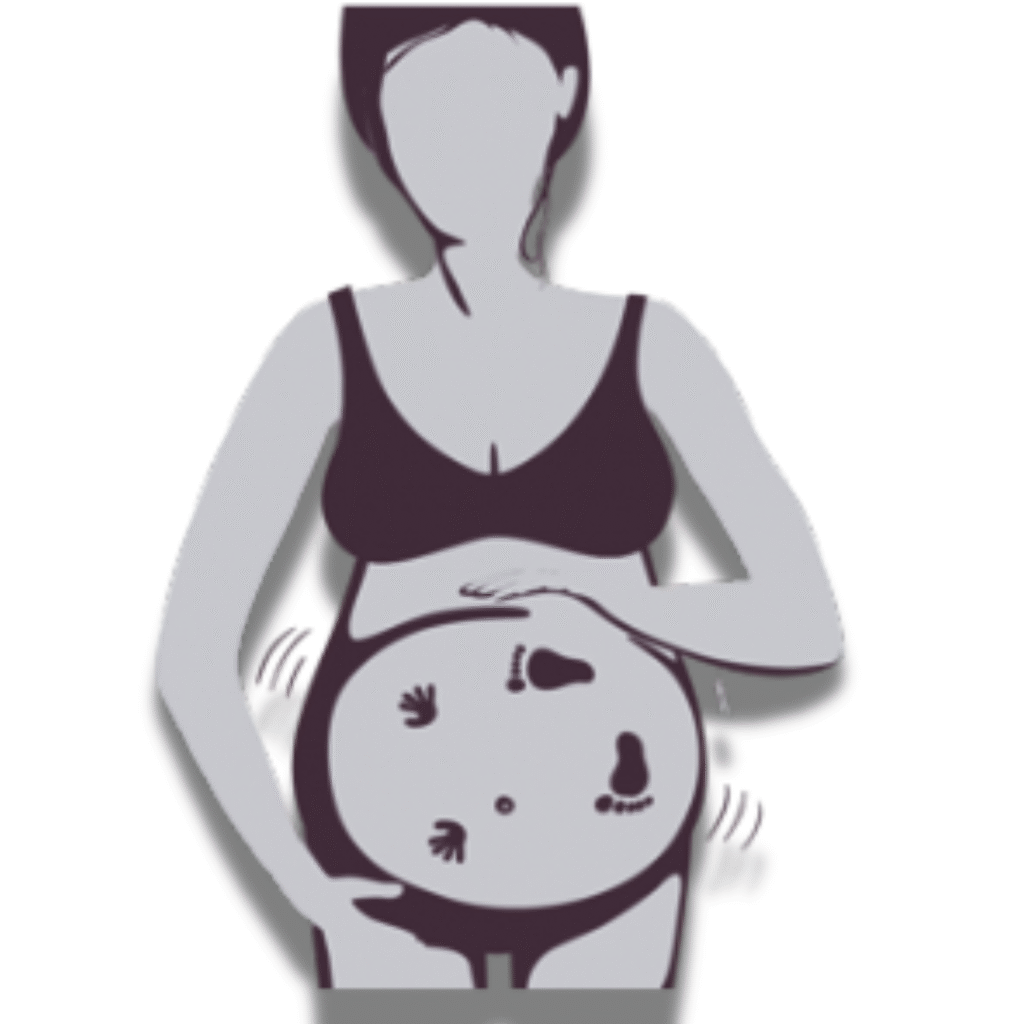
Feeling your baby kick and move is one of the most reassuring parts of pregnancy. While babies do have rest times, a noticeable drop in movement can mean that the baby is not getting enough oxygen or nutrients. If you notice fewer kicks or no movement for several hours during your usual active times, consult your doctor without delay.
8. Painful Urination or Severe Back Pain
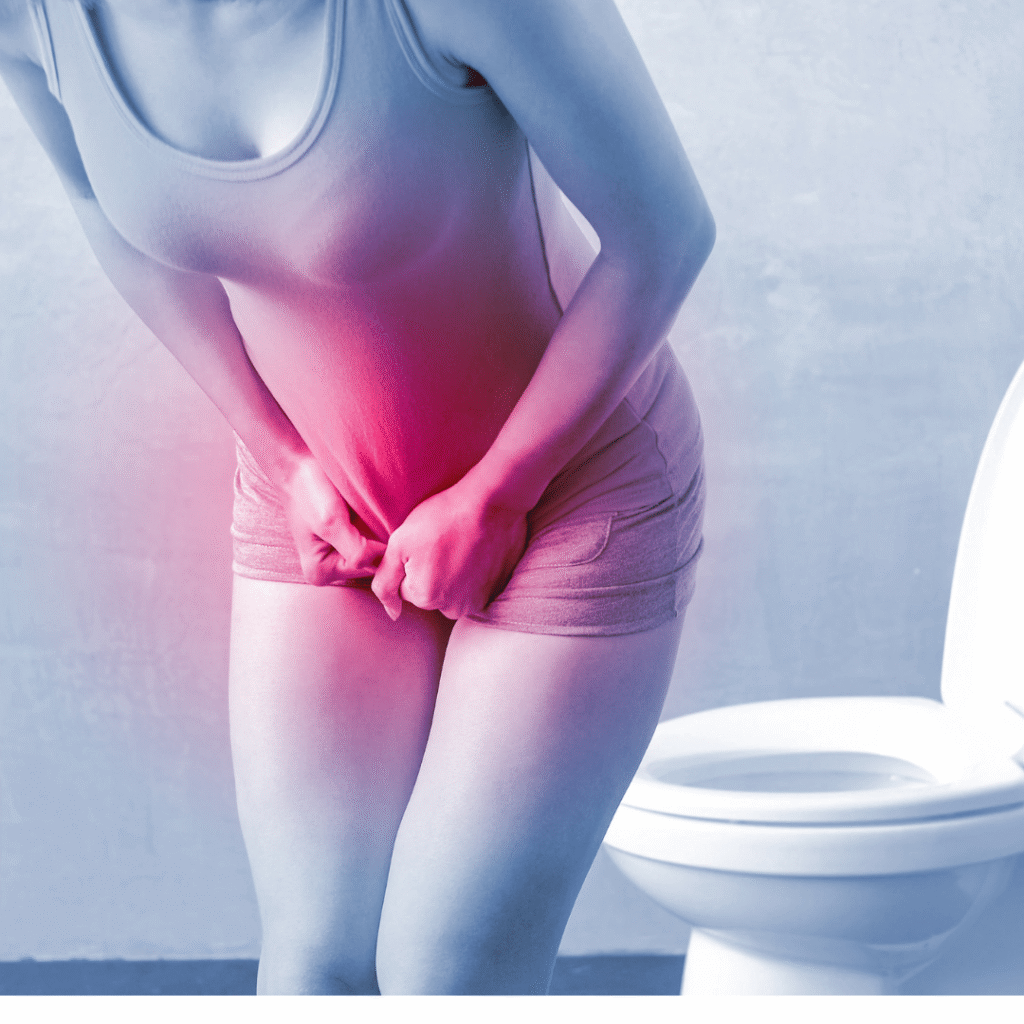
Urinary tract infections are common in pregnancy but can become serious if untreated. Pain while urinating, lower back pain, and fever can be signs of an infection that may affect the kidneys. Untreated infections can lead to premature labour or other complications.
9. Excessive Vomiting and Dehydration

Morning sickness is normal in early pregnancy, but if you can’t keep any food or fluids down, feel dizzy, lose weight, or get dehydrated, it can be dangerous. This condition, known as hyperemesis gravidarum, may require medical treatment to keep you and your baby healthy.
10. Preterm Labour Symptoms

Some women may go into labour earlier than expected. Signs of preterm labour include regular contractions before 37 weeks, backache, pelvic pressure, or a sudden gush of fluid (your water breaking). Early medical intervention can sometimes help delay delivery and improve outcomes for your baby.
Your Health is Our Priority
At Vardaan Polyclinic & Health Care, we believe that every mother deserves the safest pregnancy possible. With Dr. Sonu Rout’s extensive experience in high-risk pregnancies, advanced treatments, and a compassionate approach, you and your baby are in safe hands.
If you notice any of these warning signs, do not wait. Listen to your body and trust your instincts. Seeking medical help at the right time can make all the difference for you and your baby.
For more information or to book a consultation with Dr. Sonu Rout, reach out to Vardaan Polyclinic & Health Care today. We are here to support you every step of the way.