
Monsoon Health Tips: How to Stay Safe During Flu Season
As the monsoon rains bring welcome relief from the summer heat, they also invite a wave of seasonal illnesses—especially the flu. Cough, cold, fever, throat infections, and even more serious viral diseases tend to spike during this time of year. While it may be tempting to enjoy the breezy weather with fried snacks and roadside chai, your health needs more care during the monsoon than at any other time.
At Vardaan Polyclinic & Health Care, our team of specialists—including Dr. Ashish Rout, Consultant in Medicine and Pulmonology—has guided countless patients through flu season safely. With the right precautions and medical awareness, you can stay healthy and enjoy the season without falling sick.
1. Why Monsoon Triggers More Flu Cases
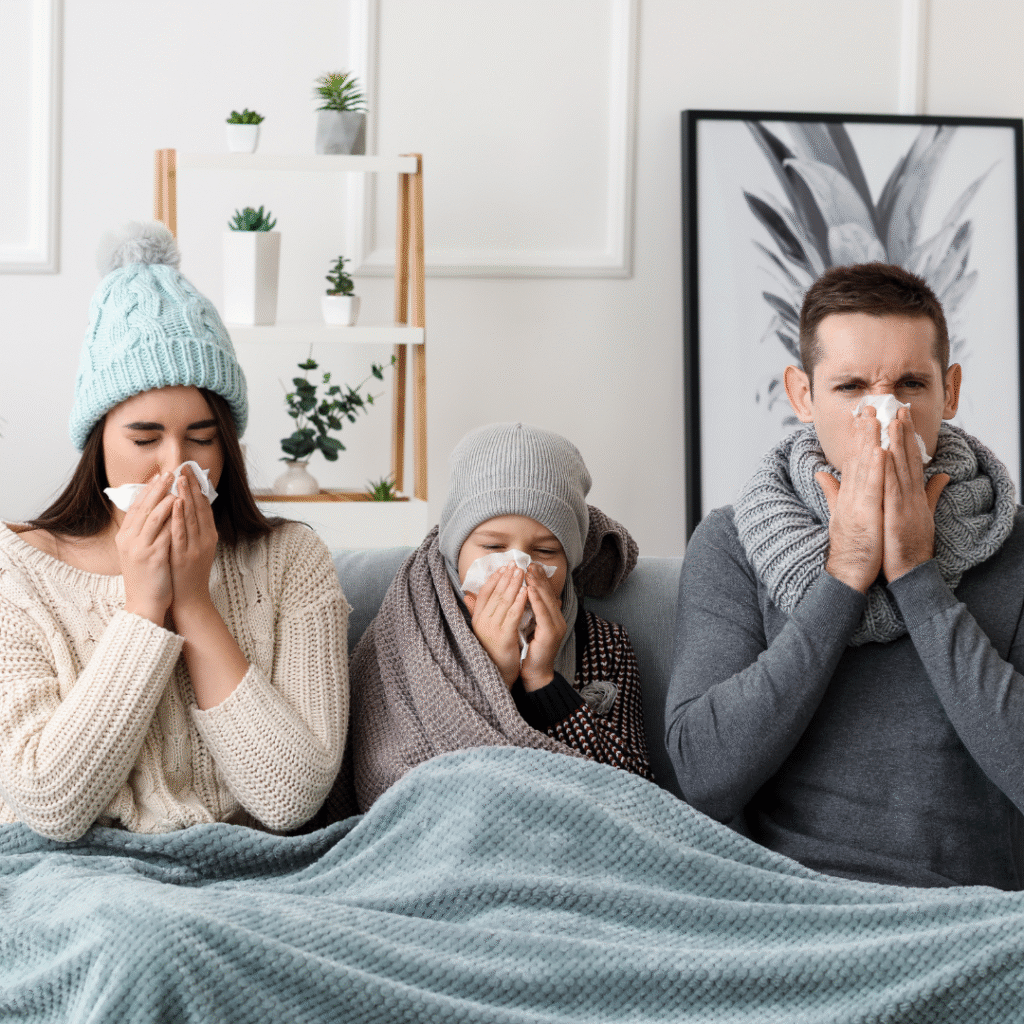
The flu is caused by influenza viruses that spread through droplets when people cough, sneeze, or even talk. During the monsoon, high humidity and stagnant water create the perfect environment for viruses and bacteria to thrive. Crowded spaces, poor ventilation, and damp clothes also increase the chances of infection. A weakened immune system due to sudden weather changes makes the body more vulnerable to respiratory illnesses.
That’s why it’s common to see a surge in flu cases between July and September in India.
2. Strengthen Your Immune System First

The best protection starts from within. A strong immune system helps you fight off viruses before they take hold. Here’s how to build it naturally:
- Eat seasonal fruits like papaya, guava, oranges, and pomegranate rich in vitamin C.
- Drink plenty of water (preferably boiled and cooled) to stay hydrated.
- Include herbs like tulsi, turmeric, ginger, and garlic in your diet.
- Avoid excessive junk food, refined sugar, and oily snacks.
- Sleep for 7–8 hours to support immune recovery and hormonal balance.
Regular exercise—even light walking or yoga—can boost your immunity and circulation, keeping energy levels high throughout the season.
3. Stay Dry, Stay Safe

Wet clothes, soggy shoes, and walking in dirty puddles may seem harmless, but they increase your risk of fungal infections and respiratory problems. Here are a few quick tips:
- Always carry an umbrella or raincoat when stepping out.
- Dry wet clothes and footwear completely before reusing.
- Avoid wading through stagnant water to reduce exposure to waterborne bacteria.
- Keep your home and surroundings dry and clean—especially bathrooms and kitchens.
If you work in a humid environment, change into dry clothes once indoors. Children and the elderly should be especially cautious.
4. Maintain Hygiene Routines Strictly

Flu spreads easily, especially in shared spaces like schools, offices, and public transport. Practicing simple hygiene habits can drastically reduce your chances of catching the virus.
- Wash your hands frequently with soap and water, especially after returning from outside.
- Use alcohol-based hand sanitizers when handwashing is not possible.
- Avoid touching your face (especially nose, mouth, and eyes) without clean hands.
- Cough or sneeze into a tissue or your elbow, not your hands.
- Avoid close contact with anyone showing flu-like symptoms.
These small habits, when followed consistently, can make a big difference in reducing infection spread.
5. Ventilate Your Home

Many people keep windows shut during rains to avoid moisture, but this often leads to poor air circulation. Damp and closed spaces promote mold growth and reduce air quality—both of which can worsen breathing issues.
Make sure your home is ventilated properly during the day. Use exhaust fans in bathrooms and kitchens. If possible, keep a window slightly open during rain-free hours to allow fresh air in.
People with asthma, bronchitis, or sinus issues should also avoid using damp carpets or bedding.
6. Don’t Ignore Early Symptoms

Fever, chills, body ache, and sore throat are often ignored or self-treated with over-the-counter medicines. But in monsoon, these can quickly develop into viral flu, bronchitis, or even pneumonia—especially for children, the elderly, and patients with diabetes or hypertension.
Consult a doctor if:
- Fever lasts more than two days
- Cough worsens with chest pain or breathlessness
- There is persistent fatigue, headache, or dizziness
At Vardaan Polyclinic, our flu management protocols include detailed assessment, chest examination, rapid testing if needed, and tailored treatment based on symptoms and history. Dr. Ashish Rout, our expert in pulmonology, ensures accurate diagnosis and safe recovery—especially for respiratory complications.
7. Consider Flu Vaccination

An annual flu shot can significantly reduce your chances of getting the flu—or make it milder if you do. It is especially recommended for:
- Children under 5
- Pregnant women
- Senior citizens
- People with asthma, diabetes, or heart conditions
- Frontline workers and teachers
Discuss with your doctor whether the vaccine is suitable for you. It’s one of the simplest ways to stay protected during peak flu season.
Final Thoughts
The monsoon is beautiful, but it also demands extra care. From immunity-boosting habits to avoiding infections, small changes can keep you and your family safe throughout the season.
Don’t wait for symptoms to worsen. If you or a loved one feels unwell, get a medical opinion early.
Your Health is Our Priority
At Vardaan Polyclinic & Health Care, we believe in prevention just as much as treatment. With Dr. Ashish Rout’s expertise in respiratory care and internal medicine, we’re committed to helping you stay healthy this monsoon—through the right guidance, early diagnosis, and compassionate care.
To know more or book a consultation with Dr. Ashish Rout, contact Vardaan Polyclinic & Health Care today. We are here to support you every step of the way.