
When to Seek Help for Mood Swings and Irritability
We all feel moody sometimes. One day, you’re calm and smiling; the next, you’re snapping over something small. Life is full of ups and downs, and occasional mood swings are part of being human. But what happens when these changes in mood become more frequent, more intense, or start affecting your daily life and relationships?
At Vardaan Polyclinic & Health Care, we often meet patients who think their mood swings or irritability are just part of stress, hormones, or “normal” life. But sometimes, these emotional changes are signals that your mental health needs attention. With expert support from Dr. Rajiv Ranjan Tiwari, Consultant Psychiatrist, we help patients understand the difference between everyday emotions and deeper mental health concerns.
1. What Are Mood Swings?

Mood swings are sudden or intense changes in emotional state. You may feel happy, then suddenly feel angry, sad, or anxious. While small shifts in mood are common, especially with hormonal changes or life stress, frequent and unpredictable mood swings can interfere with your personal, social, and work life.
They are often accompanied by other signs—like fatigue, low motivation, sleep issues, or withdrawal from people. That’s when they may point toward an underlying issue that needs medical attention.
2. When Irritability Isn’t Just “Bad Temper”

Irritability is often misunderstood. People may say you’re short-tempered or impatient, but what they don’t see is the internal frustration, restlessness, or emotional heaviness you feel. You might notice that little things bother you more than they should—traffic, noise, people talking too much. This can lead to guilt or regret after reacting in ways you normally wouldn’t.
If irritability becomes a daily pattern, and if it’s affecting your relationships or sense of peace, it might be more than just a passing mood.
3. Common Causes of Mood Swings and Irritability

Several factors can cause or contribute to mood instability:
- Hormonal changes (such as during menstruation, pregnancy, or menopause)
- Chronic stress from work, relationships, or caregiving
- Sleep disturbances or poor sleep quality
- Nutritional deficiencies (like low vitamin D or B12)
- Underlying mental health conditions such as depression, anxiety, bipolar disorder, or ADHD
- Thyroid disorders or other medical issues
At Vardaan Polyclinic, we evaluate all possible causes through a combination of clinical assessment and diagnostic testing—so that treatment targets the root, not just the symptoms.
4. When Should You See a Psychiatrist?

Many people delay seeking help, thinking they should “handle it on their own.” But emotional health is no different from physical health. If you had a persistent fever or chest pain, you wouldn’t wait weeks to get checked. The same should apply to mental well-being.
Here are signs that you should speak with a mental health professional:
- Your mood changes are frequent and affect your ability to function
- You feel angry, low, or anxious more often than calm
- You’re withdrawing from friends or avoiding conversations
- You struggle to sleep or eat properly
- Your irritability is hurting your relationships
- You feel like you’ve lost control over your emotions
- You experience sudden crying spells or unexplained sadness
Seeking help early leads to quicker recovery and prevents further complications.
5. What to Expect During a Consultation

Meeting a psychiatrist is not something to fear. At Vardaan Polyclinic, Dr. Rajiv Ranjan Tiwari provides a safe and judgment-free space where you can talk freely about what you’re feeling.
A typical session involves discussing your symptoms, daily routine, stress levels, medical history, and any recent changes in life. Sometimes, blood tests or screening questionnaires may be suggested to rule out physical causes or identify patterns.
Based on this, treatment could involve:
- Lifestyle adjustments
- Stress management techniques
- Counseling or therapy
- Medication (only if required)
Every plan is tailored to the individual — because every mind is different.
6. How Treatment Helps

The goal of treatment isn’t to suppress emotions. It’s to restore emotional balance so you can feel like yourself again. Patients who once felt overwhelmed by mood swings often describe feeling “lighter,” “calmer,” and “in control” after a few weeks of consistent support.
In therapy, you also learn how to manage stress, set boundaries, and improve communication—skills that help in every area of life.
7. Support from Family and Friends

If someone close to you is struggling with mood swings or irritability, your support matters. Instead of saying “You’re overreacting” or “Just calm down,” try saying, “I’m here if you want to talk,” or “Would you like to see someone together?”
Small acts of understanding can make it easier for someone to seek help—and feel less alone.
8. Your Emotions Matter
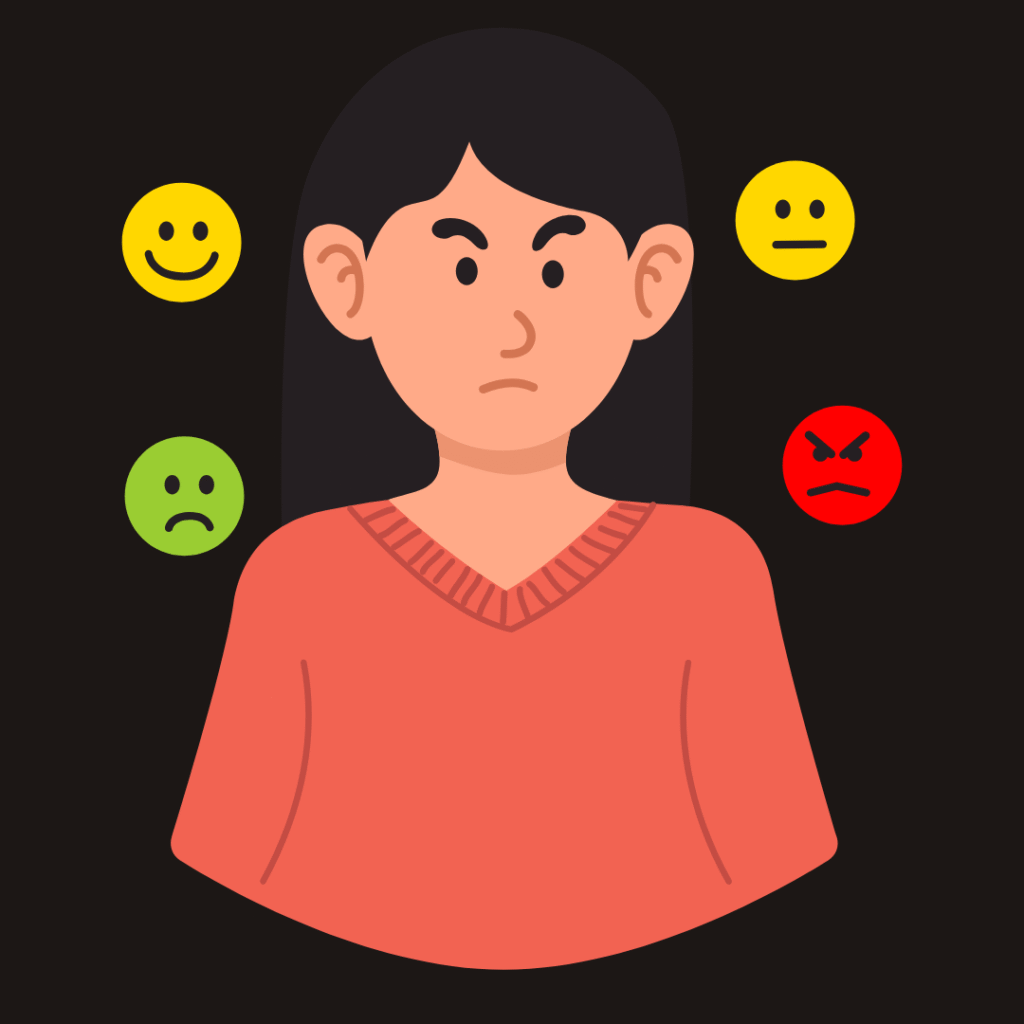
Mood swings are not a sign of weakness. Irritability isn’t something to be ashamed of. These are signs your mind is trying to tell you something. Listening to your emotions—just like you’d listen to your body—is an act of strength.
At Vardaan Polyclinic, we encourage every patient to value their emotional health as much as their physical health. Because well-being means feeling good inside and out.
Your Health is Our Priority
At Vardaan Polyclinic & Health Care, we believe emotional balance is essential to total well-being. With Dr. Rajiv Ranjan Tiwari’s expertise in psychiatric care and a patient-first approach, you or your loved one can find the right path to peace and clarity.
If you or someone close to you is struggling with mood swings or irritability, don’t delay. Early support can make all the difference.
To know more or book a consultation with Dr. Rajiv Ranjan Tiwari, contact Vardaan Polyclinic & Health Care today. We are here to support you every step of the way.